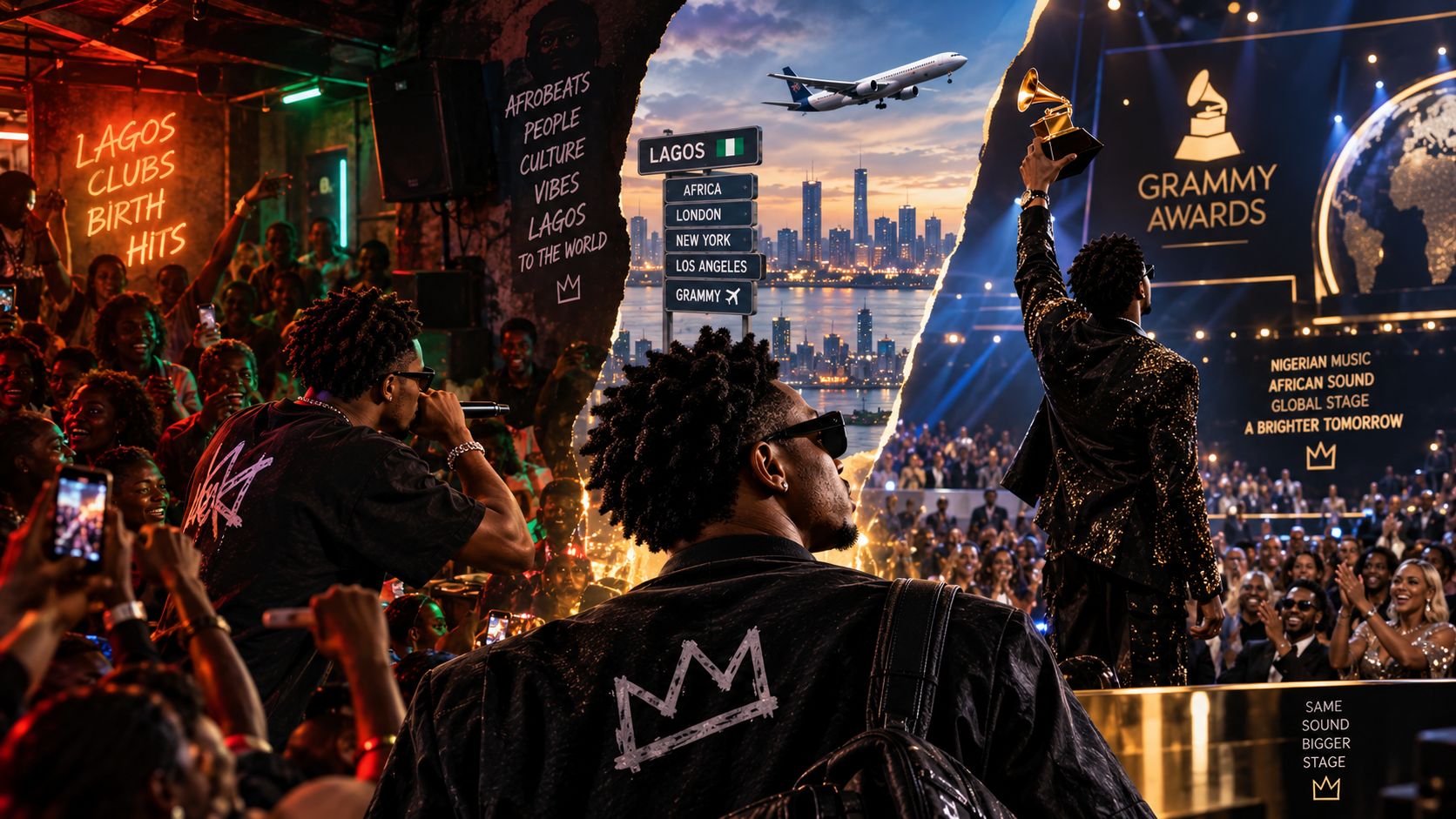
How Afrobeats Went From Lagos Clubs to the Grammy Stage

Studio Admin
16 September 2026
Two decades ago, Afrobeats was a sound you'd find at a Lagos owambe or blasting from a danfo stereo. Today, it fills arenas from The O2 in London to Madison Square Garden in New York, and its biggest stars collect Grammy nominations alongside the world's most established acts. The journey from local party music to global chart-topper didn't happen by accident.
Building blocks: the 2000s and 2010s
Artists like D'banj, 2Baba and P-Square laid the foundation, fusing highlife, juju and hip-hop into something distinctly Nigerian. Then came the streaming era. Platforms like Boomplay and Audiomack, built with African data costs and devices in mind, gave Afrobeats a distribution channel the old record-label system never could.
The diaspora effect
Nigerian communities in the UK, US and Canada became early evangelists, playing Afrobeats in clubs long before major labels took notice. Collaborations with international stars — Drake, Beyoncé, Ed Sheeran — introduced the sound to entirely new audiences without diluting its core identity.
What it means for artists recording today
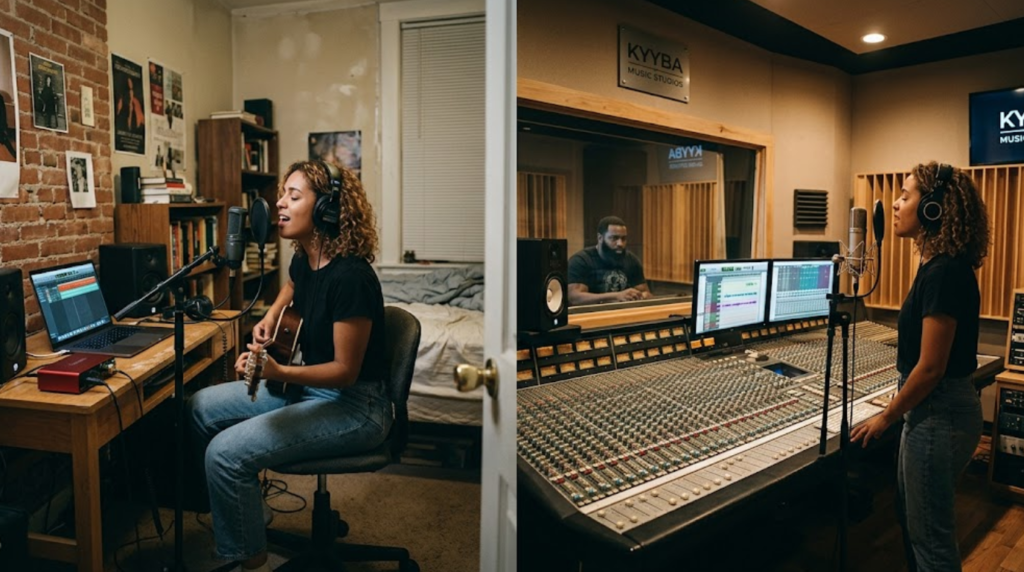
The bar for production quality has risen sharply. Global listeners now expect the same polish from a Lagos or Ibadan session as they do from a Los Angeles one. That's exactly why studio quality matters more than ever — a great song deserves a mix and master that can compete on any playlist in the world, not just the local charts.